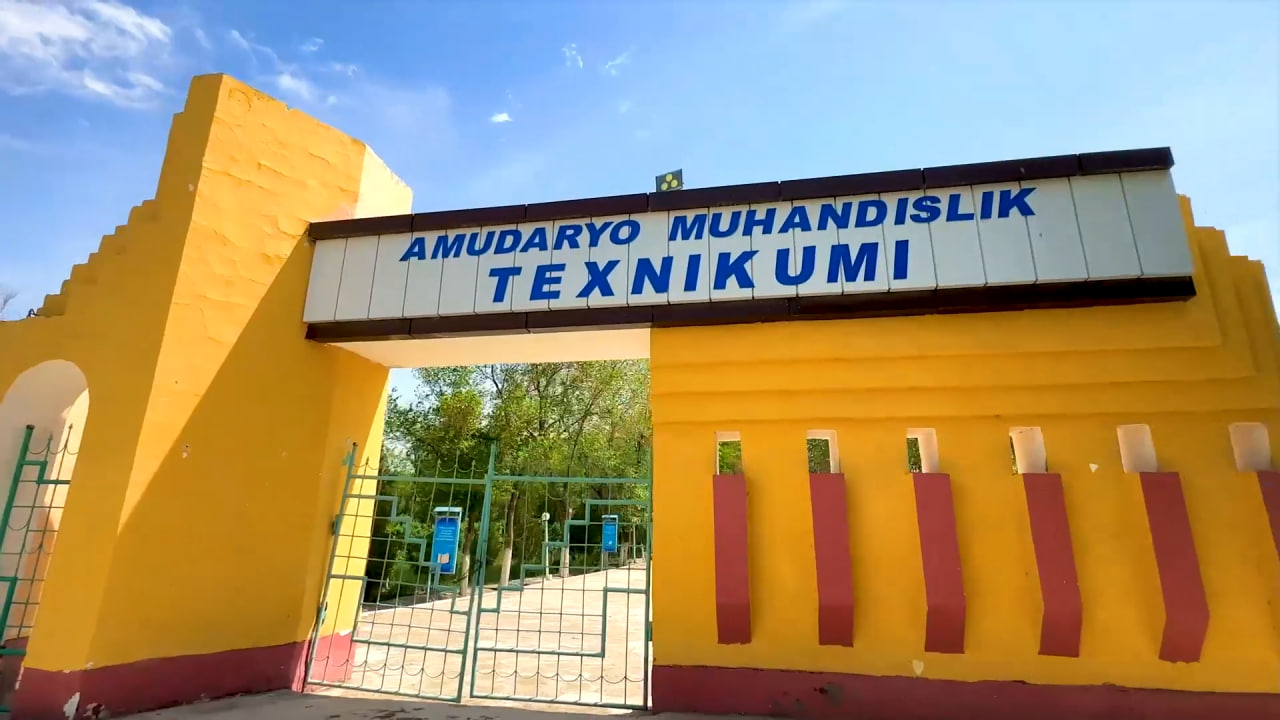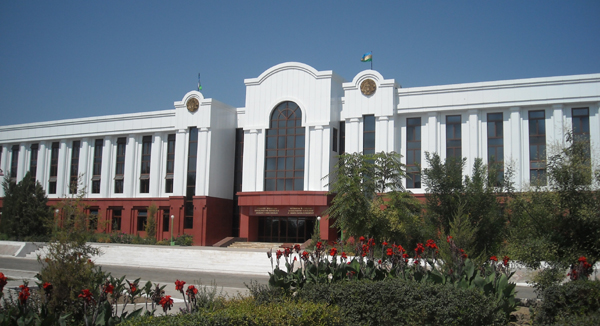

VISIT THE AMUDARYO DISTRICT ONCE!
The Amudaryo district is one of the hugest districts in terms of its land size, economic education and economy in the Republic of Uzbekistan. The region is distinctly different from other districts when it comes to its geographic location, sociopolitical position and the historic lifestyle.
If we pay attention to the history of Amudaryo, its
roots go to the sacred and esteemed historic handwritten book "Avesto”. This
book is the moral and historic heritage from our forefathers who lived between
the two rivers, the Amudaryo and The Syrdaryo 30 centuries ago. So, the nation
of the district Amudaryo, which stretches on either side of the Amudaryo River, is fairly inheritors of this
precious moral patrimony. Advancement steps of Karakalpakistan are indirectly
connected with those historic roots. Mysteries which represent the lifestyle of
our ancestors, who occupied the area from Ustyurt flat and rough lands to Sultan Uvays
Mountains, are still
unknown; buildings which blossomed once are still full of enigmas. 14 historic
premises out of those buildings are in the Amudaryo district. Merely various
historic objects found in "Chilpik” settlement represent the period of three
thousand years. Therefore inhabitants of Amudaryo district consider delivering
and exploring historic premises which include Chilpik, Beshtepa, Jumurtog,
Qoratog, Uvlon, Gaur, Kipchak, Mangit settlements located in the district to be
their prime duty. Descendants of 92 Turkic tribes live in Amudaryo district.
Particularly, inspecting the history of villages, clan and tribes including
Kungirat, Kipchak, Kitoy, Nayman, Uygur, Toma, Turkmen, Kazak, Karakalpak,
Nazarxon, Os, Sangar, Ocha, Uyshin and Kangli is waiting.
The Amudaryo district
like other districts in Uzbekistan
was eradicated from its brilliant history roots during despot Soviet
Union and was changed to the area which merely produces raw
materials. In accordance with the declaration by Supreme Council of the
Republic of Uzbekistan on 18th of December in 1957, Mangit (it was
part of Khorezm province then), which was created by adding enormous villages
of Kipchak in socialist autonomous Republic of Karakalpakistan, has always been
raw materials supply center of USSR until independence years. We might know the fact that the life, which
was stayed stable and excessively difficult during many years (from 1960 to 1990),
was very hard by asking witnesses of those times. There were only one store and
ten encampment councils. At most there were two schools, only one club would
serve to the community in each district. The majority of inhabitants used to be
occupied with the field of agriculture. There was only one central hospital and
three village ambulatory care centers in such a sizable district. After Uzbekistan’s
independence, Amudaryo district commenced to advance in terms of social- moral and
educational sphere. Likewise, giving private plots to inhabitants has risen two
times since independence. As a result of establishing over thousand farms,
cultivation of melons, cucumbers as well as vegetables has been rising for
years and exporting those harvests to its neighbors and even to overseas have
become a common phenomenon. While the percentage of consuming food including
potatoes, wheat, and confectionery, meat-milk together with flour products was
the lowest amount in Former Soviet Union in 1990, these days the district has
become a giant provider of those food to other regions in need of those food
along with veritably to overseas countries. In the district in 2016, the pace
of manufacturing industry products, nation-consumed goods and providing
agriculture commodities has been arranged to attain the percentages of 118.2%,
115.6 %, 109.1% respectively and these plans are being performed well
currently. The merchandises of the companies "Amudaryo Tex”,
"Asia Silk”, "Amudaryo Cleaning Cotton of Impurities Factory” are being
exported to several external countries. The employment of habitants is being
provided as a result of investments and credits in order to hire new laborers
advance industry, agriculture and service fields. For the year of 2016 in the district, the
sole prognosis to export two million and 622.1 thousand dollars – worth
merchandise has been arranged for five factories in the district and this
prognosis shows that exporting is advanced in this region.
In accordance with
the resolution - "Additional measures to widen the extend of building houses in
villages” made on 3rd of August in 2009 by The President of
Uzbekistan, 362 apartments based on model schemes were built within a short space of time.
Merely in 2016, 90 model houses were constructed in three localities of the
district. It has been arranged to build more 122 apartments in 2017. 528 farms
are functioning in the district. Out of that number 249 farms are occupied with
various fields. The fields of cocoon as well as cotton industry are major of
507 farms in the area; the Amudaryo district supplies over 254 tons of cocoons,
7500 tons of grain, more than 40 thousand tons of high quality cotton every
year. Intensive gardens have been established in 25 hectors of land since the
independence. Sandwich panel storeroom has
been constructed so as to preserve fruit, vegatebles and other types of food
fresh.
Written by Robiya YULDASHEVA,
Correspondent of www.amunews.uz.
Translated from Uzbek into English by Yusupov Ulugbek.
 ▶
▶
 ▶
▶
 ▶
▶
 ▶
▶
 ▶
▶
 ▶
▶
 ▶
▶
 ▶
▶
 ▶
▶
 ▶
▶
 ▶
▶
 ▶
▶
 ▶
▶
 ▶
▶
 ▶
▶
 ▶
▶
 ▶
▶
 ▶
▶
 ▶
▶
 ▶
▶
 ▶
▶
 ▶
▶
 ▶
▶
 ▶
▶
 ▶
▶
 ▶
▶
 ▶
▶
 ▶
▶
 ▶
▶
 ▶
▶